

The achievements outlined in this report—high viral suppression, successful absorption of Medicaid unwind clients, and robust insurance support—are generated by ADAP staff navigating significant operational hurdles. The survey data from CY2024 reveals that the administrative infrastructure of ADAPs is under strain in key administrative and operational areas.
General ADAP Program, 2024
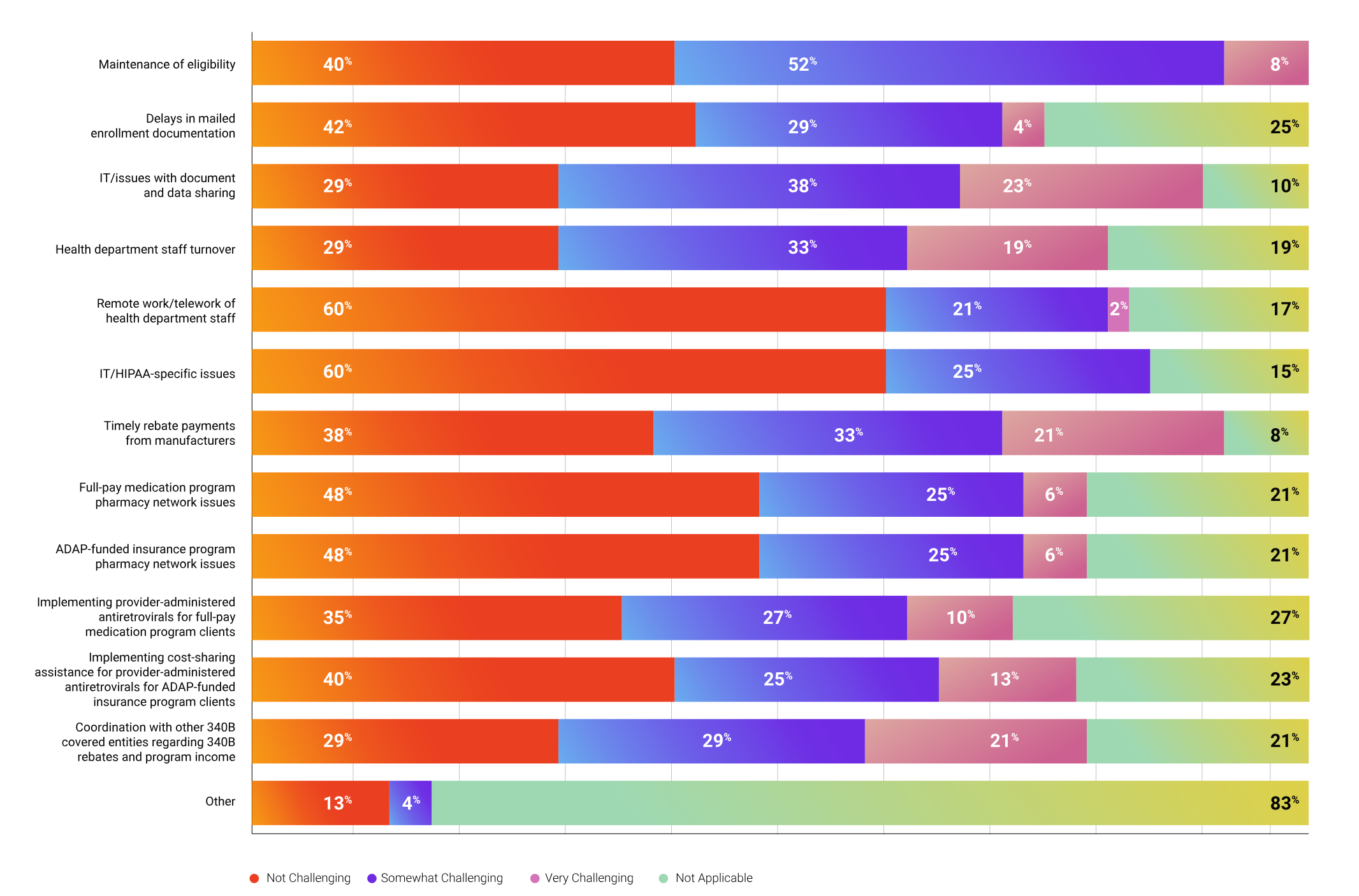
ADAP-Funded Insurance Program Challenges, 2024
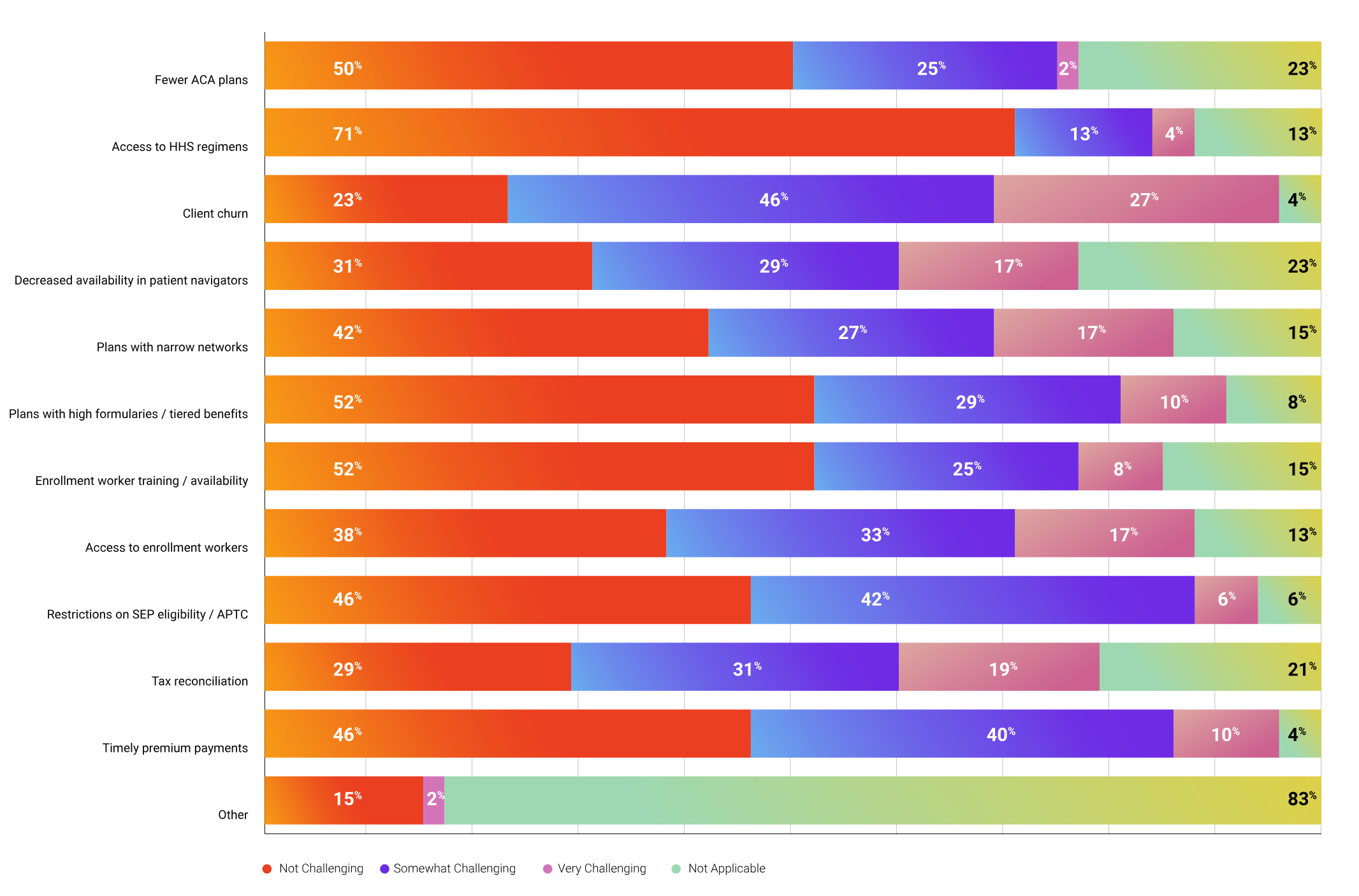
Note: 49 ADAPs reported data. American Samoa, Federated States of Micronesia, Guam, Marshall Islands, Mississippi, Northern Mariana Islands, Republic of Palau, Virgin Islands (U.S.), and West Virginia did not provide data.
Administrative and Technical Burdens
Many ADAPs grappled with program-level challenges that complicate service delivery.
- Maintenance of Eligibility: 60% of respondents reported that maintaining client eligibility was somewhat or very challenging. This burden was likely exacerbated by the Medicaid unwinding, which required ADAPs to process a high volume of applications for clients churning off Medicaid.
- Data Systems: 61% of respondents reported challenges with internet technology (IT) and issues with document and data sharing. As ADAPs increasingly coordinate with Medicaid and Marketplaces, the ability to share data seamlessly is a critical, yet often lacking, capability.
- Staffing: 34 respondents previously reported health department staff turnover as a significant challenge. Institutional knowledge is vital for managing the complex interplay of federal grants and rebate revenue.
The 340B Compliance Tightrope
The heavy reliance on rebates described in Section 3 brings with it significant administrative overhead.
- Payment Delays: 54% of respondents reported challenges with timely rebate payments from manufacturers. Delayed payments can create cash flow crises for programs that depend on this revenue for over half their operating budget.
- Competition for Shared Savings: As more ADAP clients receive care from other 340B covered entities (such as RWHAP Part C clinics), programs face increasing complexities regarding which entity is entitled to the 340B savings on shared prescription claims. To mitigate compliance risks regarding duplicate discounts and avoid revenue erosion, ADAPs must negotiate clear "right-of-way" determinations with partner entities, ensuring that rebate and program income generation is maximized for the jurisdiction’s HIV safety net without competing for the same dollar.
- Manufacturer Restrictions: ADAPs with direct purchase mechanisms are increasingly navigating restrictions placed by manufacturers on 340B contract pharmacies. These restrictions limit where clients of ADAPs with direct purchase mechanisms can access medications and complicate the program income generation process.
Additionally, the potential implementation of a 340B Drug Rebate Pilot Program, subject to a second public comment period at the time of this report's publication, adds another layer of administrative complexity. While intended to modernize the system, the pilot may require significant staff time and technical resources to implement if finalized by HRSA, further straining health department capacity.
Clinical Implementation Challenges
As HIV treatment evolves, ADAPs must adapt their systems to accommodate new HIV treatment modalities. In CY2024, approximately 38% of all respondents reported challenges implementing long-acting injectables and other provider-administered drugs. These medications often require different billing and delivery mechanisms than traditional oral pharmacy benefits. This area remains a critical focus for NASTAD technical assistance to ensure that ADAP clients have access to the full range of modern HIV therapeutics.